
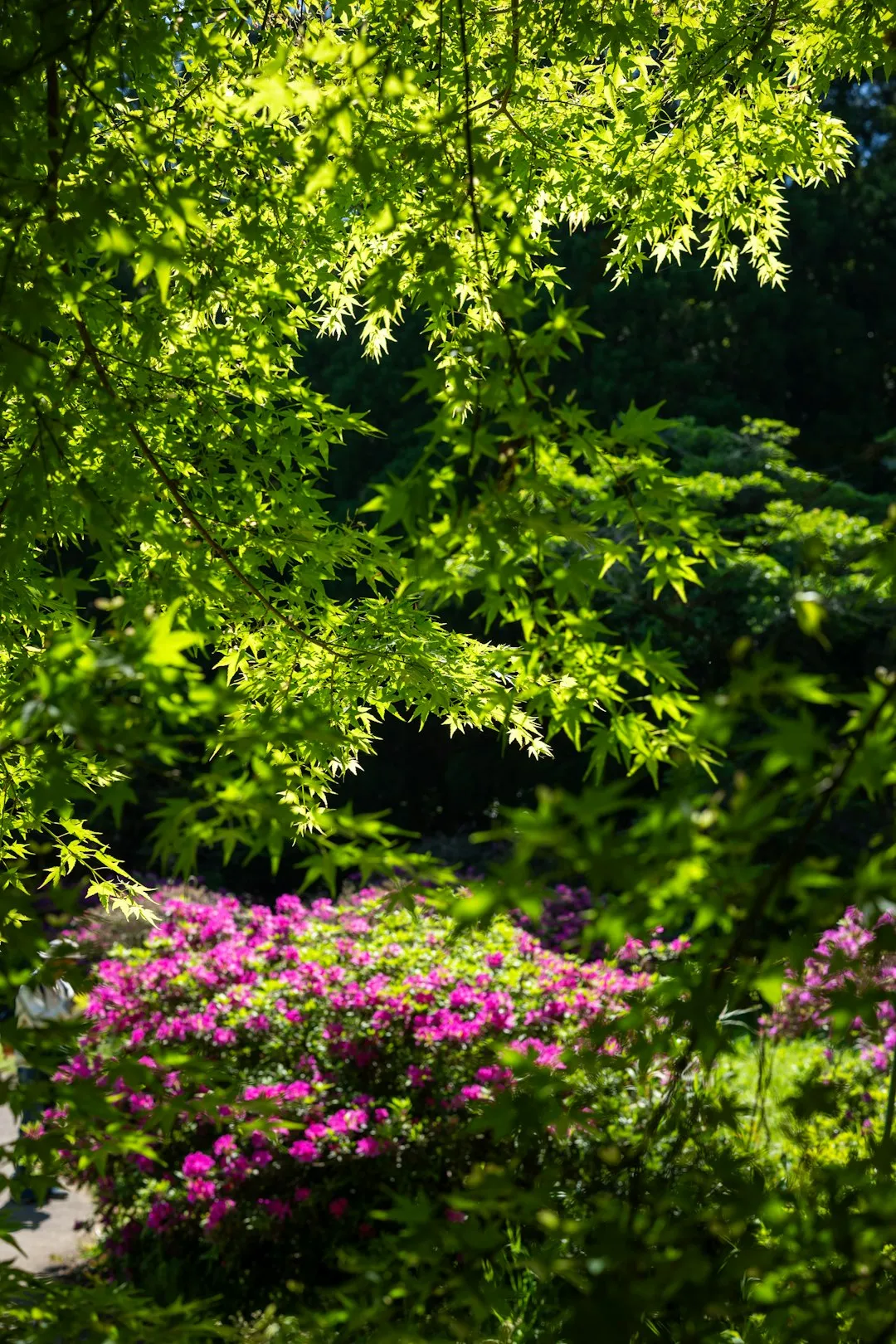
Annuals flowers gardening is a fascinating hobby that allows people to bring a burst of color and life into their surroundings. Among the various annual flowers, begonias hold a special place. Most begonias won't survive freezing winters, a fact that many gardeners are well - aware of. However, the interesting thing is that indoor begonias can live for years, and this is a phenomenon worth exploring in detail.
First, let's understand the nature of begonias. Begonias are a diverse group of plants with a wide range of species and varieties. They come in different shapes, sizes, and colors, from the delicate and dainty to the large and showy. In their natural outdoor habitats, begonias thrive in warm and humid conditions. When winter arrives and the temperatures drop below freezing, the cold can cause irreversible damage to their cells. The water inside the plant tissues freezes, expands, and ruptures the cell walls, leading to the death of the plant.
But when begonias are moved indoors, the situation changes dramatically. Indoor environments offer a stable and controlled climate that is more favorable for their long - term survival. One of the key factors is temperature. By keeping the indoor temperature within a suitable range, usually between 60°F and 75°F (15°C - 24°C), gardeners can mimic the warm conditions that begonias prefer. This stable temperature helps the plants maintain their metabolic functions and avoid the stress caused by extreme cold.
Another important aspect is light. While begonias need light to carry out photosynthesis, too much direct sunlight can be harmful, especially for some of the more sensitive varieties. Indoors, gardeners have the flexibility to place the begonias in areas where they can receive bright, indirect light. For example, a north - facing window or a spot a few feet away from a south - facing window can provide the right amount of light. This way, the plants can produce the energy they need without being exposed to the intense rays of the sun that could scorch their leaves.
Humidity also plays a crucial role in the health of indoor begonias. In their natural habitats, begonias are accustomed to high humidity levels. In a typical indoor environment, the air can be quite dry, especially during the winter months when the heating is on. To increase the humidity around the begonias, gardeners can use several methods. One simple way is to place a tray filled with water and pebbles near the plants. As the water evaporates, it increases the moisture in the air around the begonias. Another option is to use a humidifier, which can maintain a consistent level of humidity in the room.
Proper watering is essential for the long - term survival of indoor begonias. Over - watering can lead to root rot, while under - watering can cause the plants to wilt and die. The key is to water the begonias when the top inch or so of the soil feels dry to the touch. It's also important to use well - draining soil that allows excess water to drain away quickly. This helps prevent water from pooling around the roots and causing problems.
Fertilizing is another aspect of caring for indoor begonias. During the growing season, which is usually from spring to summer, begonias benefit from regular fertilization. A balanced, water - soluble fertilizer can be applied every two to four weeks, following the instructions on the package. This provides the plants with the essential nutrients they need to grow and bloom.
In addition to these basic care requirements, pruning and pest control are also important for the health of indoor begonias. Pruning helps to shape the plants, remove dead or damaged leaves, and encourage new growth. It's best to use clean, sharp pruning shears to avoid spreading diseases. As for pest control, common pests such as aphids, spider mites, and whiteflies can sometimes infest indoor begonias. Gardeners can use natural or chemical pest control methods to get rid of these pests. For example, a mild soap solution can be sprayed on the plants to kill aphids, while neem oil can be effective against spider mites.
In conclusion, while most begonias struggle to survive freezing winters outdoors, indoor begonias can live for years with the right care. By providing the proper temperature, light, humidity, watering, fertilizing, pruning, and pest control, gardeners can create an ideal environment for these beautiful plants. Annuals flowers gardening, especially when it comes to indoor begonias, is not only a rewarding experience but also a way to enjoy the beauty of these plants throughout the year.