
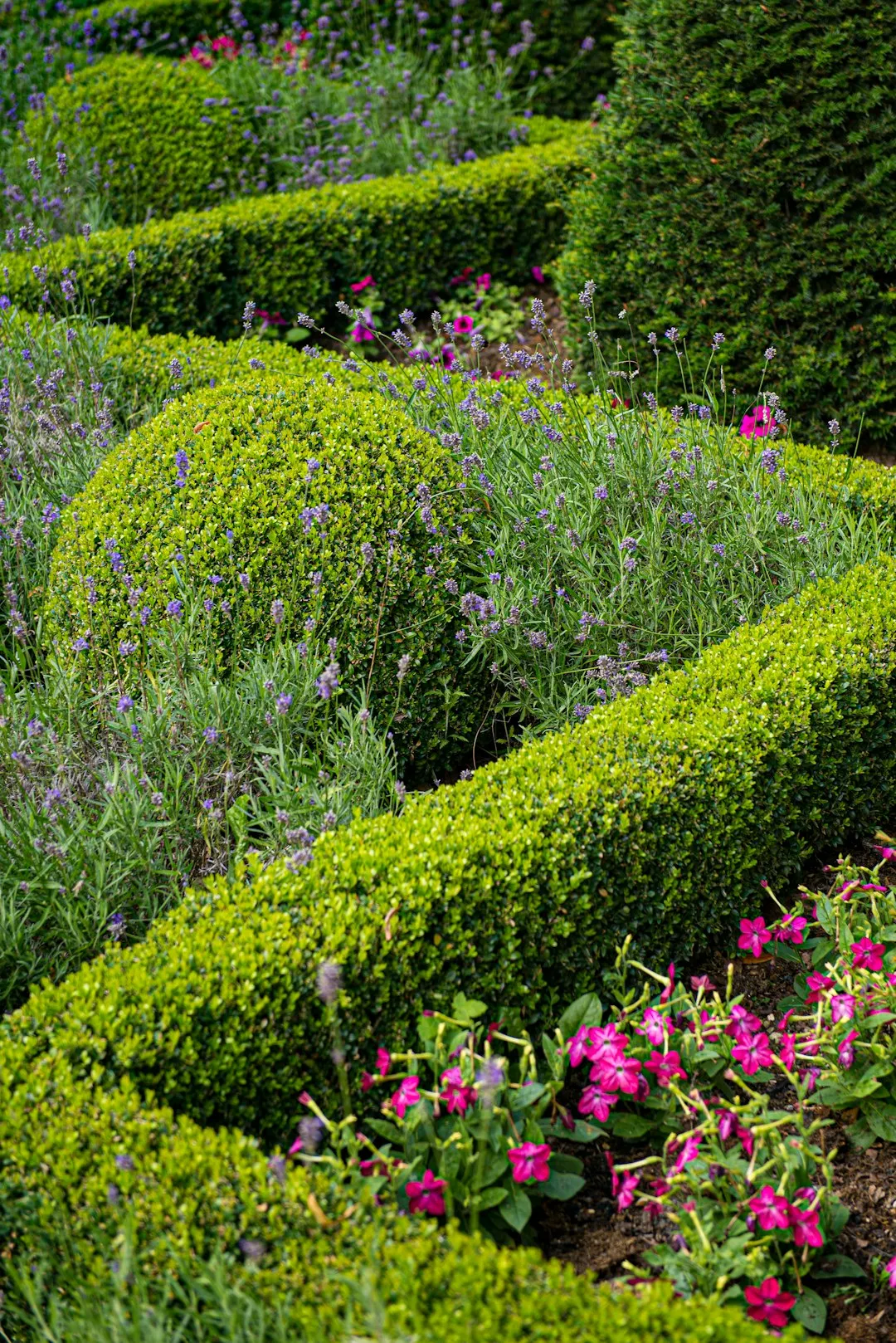
Annual flowers are a gardener's delight, offering a rapid and vibrant transformation of any outdoor space. These plants complete their life cycle in a single growing season, from germination to seed production, and then they die. However, during that short span, they can create a spectacular display of colors that can brighten up even the dullest of gardens.
One of the greatest advantages of annual flowers is their ability to be grown from seeds. This not only makes them an economical choice but also allows gardeners to have a wide variety of options. You can start these seeds indoors several weeks before the last frost date, giving them a head start on the growing season. This is particularly useful in regions with shorter growing seasons.
When starting annual flower seeds indoors, you'll need a few basic supplies. A seed - starting tray with individual cells is ideal as it provides each seedling with its own space to grow. Fill the cells with a high - quality seed - starting mix, which is lightweight and well - draining. Moisten the mix before planting the seeds to ensure good contact between the seeds and the soil.
Once the seeds are planted, cover the tray with a plastic dome or plastic wrap to create a humid environment. Place the tray in a warm location, such as on top of a refrigerator or near a sunny window. Most annual flower seeds require a temperature of around 70 - 75 degrees Fahrenheit for optimal germination. Check the tray daily to make sure the soil remains moist but not waterlogged.
As the seedlings emerge, remove the plastic cover and place the tray in a sunny spot. If you don't have enough natural light, you can use fluorescent grow lights. Keep the lights about 2 - 3 inches above the seedlings and leave them on for 14 - 16 hours a day. This will help the seedlings grow strong and healthy.
After the last frost date has passed, it's time to transplant the seedlings outdoors. Choose a location in your garden that receives the appropriate amount of sunlight for the specific annual flowers you're growing. Some annuals, like petunias and marigolds, thrive in full sun, while others, such as impatiens, prefer partial shade.
Prepare the soil in the planting area by loosening it with a garden fork or tiller. Add some compost or well - rotted manure to improve the soil's fertility and drainage. Dig holes in the soil that are slightly larger than the root balls of the seedlings. Gently remove the seedlings from the seed - starting tray and place them in the holes. Fill in the holes with soil and gently firm it around the base of the plants.
Water the newly transplanted seedlings thoroughly to help them establish their roots in the new location. Keep the soil consistently moist for the first few weeks until the plants are well - established. After that, you can reduce the frequency of watering, but make sure the plants don't dry out completely.
There are many different types of annual flowers that you can plant in your garden. Zinnias are a popular choice, known for their large, colorful blooms. They come in a wide range of colors, including red, orange, yellow, pink, and purple. Cosmos are another great option. These delicate, daisy - like flowers add a touch of elegance to any garden. They are also very easy to grow from seeds and attract butterflies.
Sunflowers are not only beautiful but also fun to grow. They can reach impressive heights and produce large, sunny - colored flowers. Nasturtiums are edible annual flowers that have a peppery flavor. They can be used in salads or as a garnish, adding both color and taste to your culinary creations.
To keep your annual flower garden looking its best throughout the season, you'll need to do some regular maintenance. Deadheading, or removing the spent flowers, will encourage the plants to produce more blooms. It also helps to prevent the plants from going to seed too early. Fertilize the plants every few weeks with a balanced fertilizer to provide them with the nutrients they need to grow and bloom.
Watch out for pests and diseases. Aphids, slugs, and snails are common pests that can damage annual flowers. You can use natural pest control methods, such as spraying the plants with a mixture of water and dish soap or using diatomaceous earth. If you notice any signs of disease, such as powdery mildew or black spot, remove the affected leaves or plants to prevent the spread of the disease.
In conclusion, annual flowers are a wonderful addition to any garden. By planting them from seeds, you can have a garden bursting with color in just two to three months. With a little bit of planning, care, and attention, you can enjoy a beautiful and vibrant annual flower garden all season long.